
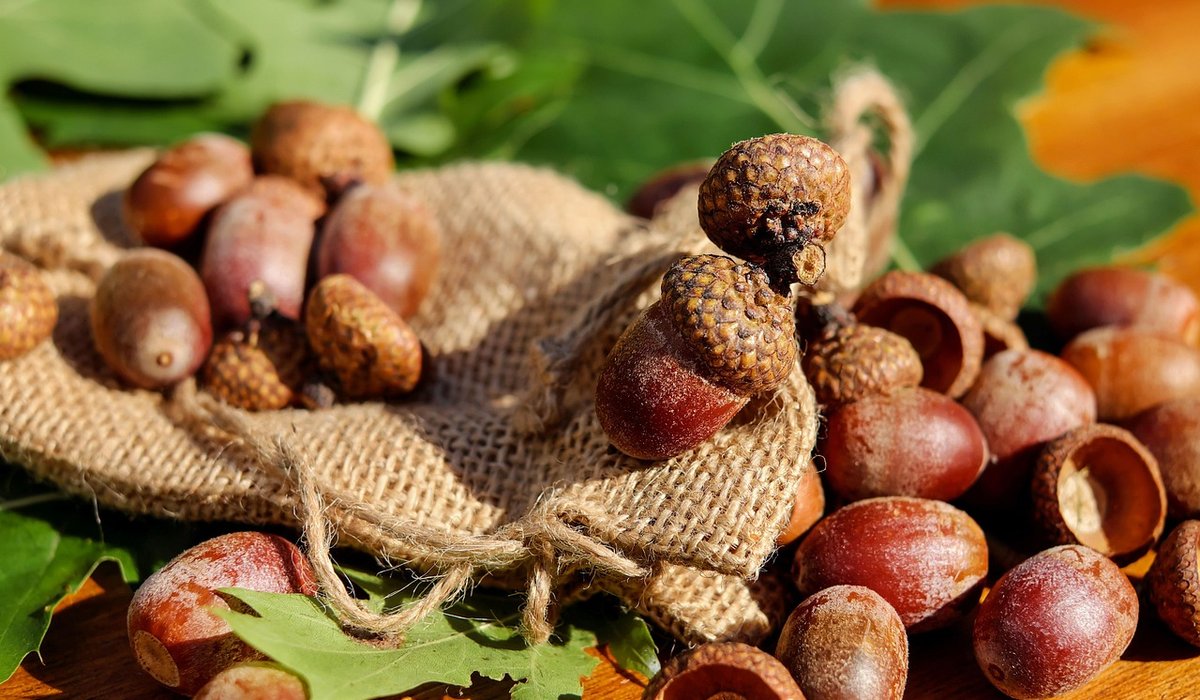
Choosing the Best Hedge for Privacy and Wildlife
Why native hedging beats a single-species screen
A hedge is the hardest-working boundary in any garden. It blocks views, muffles traffic noise, and shelters your plot from wind. But when you choose a single, fast-growing species, you get a green wall and very little else. A mixed native hedge, by contrast, becomes a mini woodland edge: a layered habitat that feeds birds, supports pollinators, and gives you seasonal colour. Hawthorn, blackthorn and hornbeam are the backbone of the best UK wildlife hedges, and they happen to make superb privacy screens too. They hold their density, tolerate cutting, and offer berries, blossom and cover through the year. For a UK garden or woodland edge, a native mix is the most practical, resilient and rewarding choice.
The best native species for a wildlife-friendly screen
You do not need dozens of species. A balanced mix of four to six will create a robust hedge that looks good and works hard for wildlife. Here are the standouts:
- Hawthorn (Crataegus monogyna): The classic. Dense, thorny and quick to establish. Spring blossom feeds early bees, autumn haws feed thrushes, and the tangled branches are a favourite nesting site for blackbirds and dunnocks.
- Blackthorn (Prunus spinosa): Flowers early on bare stems, providing vital nectar when little else is out. Suckers freely, so it forms a thick, impenetrable thicket. Sloes in autumn are a bonus for gin and for birds.
- Hornbeam (Carpinus betulus): Holds dead leaves through winter, giving you screening when you need it most. It clips well, grows in most soils including clay, and its seeds feed finches and small mammals.
- Field maple (Acer campestre): Adds warm autumn colour and nectar for pollinators. It is compact enough for smaller gardens and tolerant of pruning.
- Hazel (Corylus avellana): Catkins in late winter, nuts in autumn, and a dense habit. Coppice it occasionally to keep it bushy.
- Guelder rose (Viburnum opulus) and dog rose (Rosa canina): These add flowers, berries and a looser, more natural feel. They are excellent for moths and birds.
Plant them in groups of five to seven of each species along the hedge line. This avoids a patchwork look and lets each species express its natural shape.
Planting a mixed hedge that thickens quickly
Bare-root plants are cheap, establish fast, and are the best choice for UK gardens. Plant between November and March, when the ground is workable and plants are dormant. Prepare a strip at least 60cm wide. Clear weeds, fork over the soil, and add well-rotted manure or garden compost. If your soil is heavy clay, add grit to improve drainage.
For a privacy screen that fills in fast, plant a double, staggered row. Space plants 45–60cm apart, giving you roughly five to seven plants per metre. Do not plant too deep – the soil mark on the stem should sit level with the ground. Firm them in, water well, and mulch with bark chips or straw to lock in moisture. Use rabbit guards or spiral tree guards on the lower stems if deer or rabbits are about. Water every two weeks in the first summer, and keep the base clear of grass and weeds. A mulch ring around each plant makes a real difference.
Pruning for privacy without starving wildlife
The biggest mistake with a wildlife hedge is cutting it at the wrong time. Birds nest between March and August, so heavy trimming then is illegal and destructive. Instead, aim to prune in late winter for hornbeam and hawthorn, just before growth starts. For blackthorn, guelder rose and dog rose, wait until after flowering or after berries have been taken – usually late summer or early autumn. If you want maximum berries for birds, prune only one side or one section each year, leaving the rest to fruit.
To build density, cut the sides to a slight batter – wider at the base, narrower at the top. This lets light reach the lower branches and stops the hedge going bare at the bottom. Use sharp loppers or a hedge trimmer, and take your time. A light trim in late summer can tidy the shape, but avoid cutting into old wood. Hornbeam can be clipped in late summer for a formal look, while hawthorn and blackthorn are happier with a more relaxed, wildlife-friendly cut.
Seasonal care for a thriving hedge
A native hedge is low-maintenance once established, but a little care each season pays you back with thicker growth and more wildlife.
- Spring: Check for nesting birds before any cutting. Water newly planted hedges in dry spells. Top up mulch to suppress weeds.
- Summer: Lightly trim formal hedges after nesting. Leave wilder sections alone. Watch for aphids and leave them for ladybirds and blue tits.
- Autumn: Plant new bare-root hedges. Collect fallen leaves and add them to compost. Leave berries on the hedge for winter birds.
- Winter: Prune deciduous species like hawthorn and hornbeam. Check ties and guards. Plan any gap-filling planting for early spring.
If your hedge is on a woodland edge or a large boundary, consider coppicing a section every few years. This lets light in, encourages fresh growth, and creates a mosaic of habitats. For hedges that have grown into trees, or if you need to remove a large limb safely, call a qualified arboriculturist. They can advise on crown reduction, hedge laying, and the best timing for your soil and species. With the right mix and a gentle pruning regime, your hedge will screen your garden, feed your wildlife, and look beautiful for decades.
tag: Hedge Care

Oliver Bennett Author
Cut hedges with a slight taper towards the top, use sharp tools and check for nesting birds before you start trimming in spring.
YOU MAY ALSO LIKE
How to Trim a Hedge for a Neat Finish
Aug 22
10From spring mulching to autumn leaf clearance and winter pruning, a simple calendar helps trees stay healthy throughout the changing seasons.
read more
Seasonal Tree Care Tasks for Every Garden
Aug 16
10Young saplings benefit from windbreaks, mulch rings and careful watering, while frost protection shields tender growth from cold snaps.
read moreTree Surgery
-

ERRIC CATONA
A Tree Preservation Order protects selected trees, so check with your local council before pruning, felling or carrying out work that may affect them.
May 19, 2016 at 5.12 pm
Reply
ERRIC CATONA
Check ownership, planning rules and wildlife habitats, then obtain expert advice and several quotes before any large tree is taken down.
May 19, 2016 at 5.12 pm
Reply -
ERRIC CATONA
A mixed native hedge can provide berries, blossoms and shelter, supporting birds and insects while creating a natural boundary for your garden.
May 19, 2016 at 5.12 pm
Reply
Tree Planting
Your email address will not be published.