
Planting a Native Hedge for Year-Round Interest
Why a mixed native hedge beats a single-species boundary
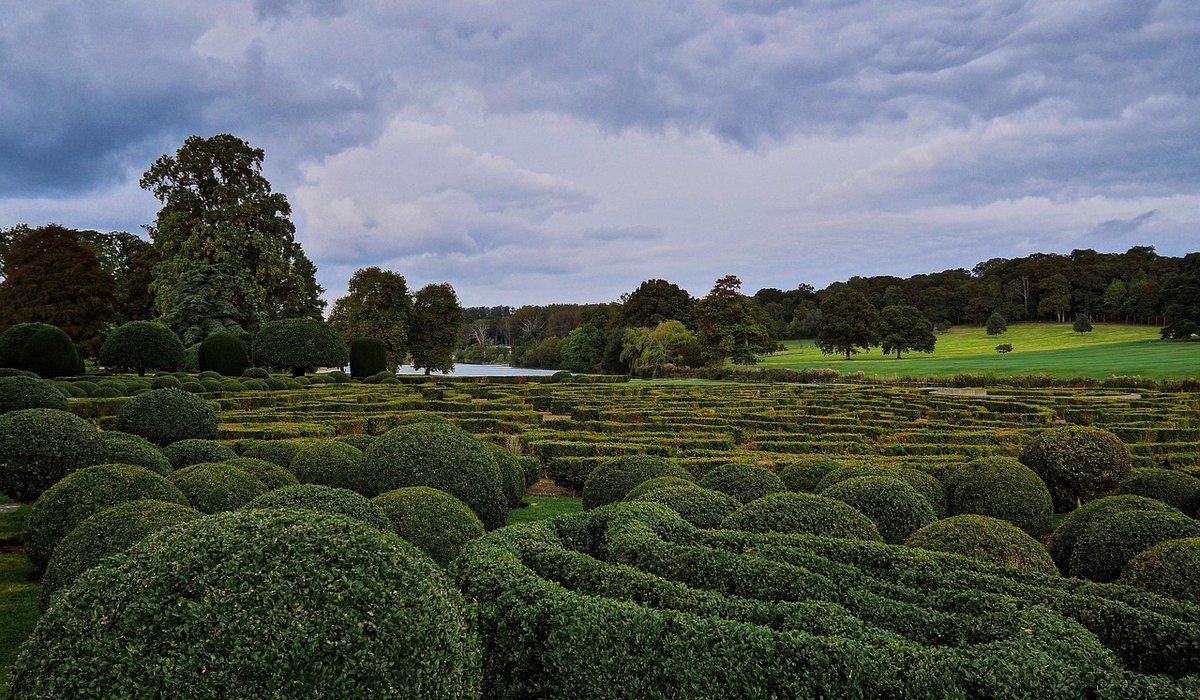
Most garden hedges in the UK are one species, clipped hard twice a year into a green wall. They work as a boundary, but they offer very little else. A mixed native hedge is a different creature altogether. Plant half a dozen species together and you get succession: blackthorn blossom in March while the hawthorn is still waking up, hawthorn flowers in May, elder and guelder rose in June, then haws, sloes, hips and hazelnuts through the autumn. The berries the birds leave in December are the same ones that feed them in February, when there is nothing else about.
There is a practical argument too. A hedge holding several species is resilient — if one suffers from disease, drought or a bad winter, the others fill the gap. Native species have also evolved alongside our insects, and even a modest hawthorn hedge will feed dozens of moth and butterfly larvae. Non-native evergreens simply cannot match that.
Match species to your soil and light
Get this right and everything else becomes easier. Take five minutes to check whether your soil is heavy clay, free-draining chalk or something in between, and whether the hedge line sits in full sun or dappled shade.
- Heavy clay and damp ground: hawthorn, blackthorn, alder buckthorn, guelder rose and willow all cope well.
- Chalk and limestone: field maple, spindle, wayfaring tree, wild privet and beech are reliable choices.
- Poor, dry, sandy soils: hawthorn, blackthorn and hazel will establish where fussier species sulk.
- Shade: hazel, hornbeam and holly tolerate more shade than most; dog rose and blackthorn want sun.
Aim for at least five species, and include one or two prickly ones — blackthorn, hawthorn or holly — if you want a boundary that discourages intruders and gives nesting birds a safe centre in which to build.
Planting bare-root whips well
Bare-root whips are the cheapest and, in most gardens, the most successful way to plant a hedge. They are lifted and sold between November and March while dormant, and they establish quickly. Order in autumn, plant as soon as they arrive, and never let the roots dry out — heel them into a spare patch of soil if you cannot plant immediately.
- Prepare a strip, not a series of holes. Clear a metre-wide band of grass and weeds, then fork over the soil to a spade's depth.
- Spacing: 30–45 cm apart for a dense, stock-proof hedge; 45–60 cm if you want a looser, wildlife-friendly structure. Two staggered rows 40 cm apart give the best results.
- Plant to the nursery soil mark — the darker line on the stem — and firm the soil around the roots with your heel, not your boot sole.
- Protect and mulch. A spiral guard against rabbits, then a 7 cm layer of well-rotted manure or bark chip over a 45 cm band, kept clear of the stems.
Watering and weeding in the first two years
New hedges fail more often from competition than from cold. Grass and weeds rob young roots of water and nutrients, so keep the planting strip clear for the first two summers — hand-weed or hoe, and avoid strimmers, which will strip bark from the base and kill a whip outright.
In dry spells, water deeply rather than little and often: around 10–15 litres per plant once a week, poured slowly at the base. A good soak every seven to ten days through a dry June and July will do far more for establishment than a daily sprinkle. After the second summer, most native hedges look after themselves.
Trimming for flowers, berries and shape
Cut whips back by about a third immediately after planting. It feels brutal, but it forces side shoots from low down and gives you a bushy hedge rather than a row of sticks. Carry out any further formative pruning in winter for the next two or three years.
Once established, the timing of your annual cut decides what you get. Trim in late winter, around February, after the birds have stripped the berries, and you keep the autumn and winter display intact. If you must cut earlier, leave it as late in the season as you can. Between March and August, leave the hedge alone: it is an offence to disturb nesting birds, and a hedge in leaf is doing its best work for insects anyway.
Always cut a slight taper so the base is wider than the top. An A-shaped hedge lets light reach the lower branches, keeping them leafy right to the ground. Flat-topped hedges shade themselves out and end up bare and gappy at the bottom.
Shelter, berries and the long view
A native hedge takes three or four years to knit together, and there is a patience required that a quick instant boundary never asks of you. The reward is a structure that changes week by week: catkins in February, blossom in spring, the hum of hoverflies in summer, hips glowing against a grey November sky. It shelters your plot from wind, slows run-off, and quietly links your garden to the wider landscape.
Look after the first two summers properly and a mixed native hedge will ask almost nothing of you thereafter — a winter trim, the occasional gap filled with a spare whip, and the pleasure of watching it grow into something that belongs.
tag: Tree Planting

Emily Hartley Author
Deep, infrequent watering encourages healthy roots, but avoid soggy soil by checking moisture levels before you reach for the hose.
YOU MAY ALSO LIKE
How to Water Trees During Dry Spells
Aug 1
10Aphids, scale insects and caterpillars can weaken trees, but spotting early signs helps you choose gentle controls and protect beneficial wildlife.
read more
Identifying Common UK Garden Tree Pests
Jul 28
10Clean blades, tighten loose handles and sharpen cutting edges regularly to make pruning easier and reduce the risk of damaging your trees.
read moreTree Surgery
-

ERRIC CATONA
Consider bar length, engine type and safety features before buying a chainsaw, and always use protective clothing when cutting timber.
May 19, 2016 at 5.12 pm
Reply
ERRIC CATONA
Choose native species, vary flowering times and leave space for undergrowth to build a planting plan that supports birds, bees and butterflies.
May 19, 2016 at 5.12 pm
Reply -
ERRIC CATONA
Stumps can send up vigorous shoots, so cutting regrowth regularly, shading the stump or professional grinding can bring lasting control.
May 19, 2016 at 5.12 pm
Reply
Tree Planting
Your email address will not be published.